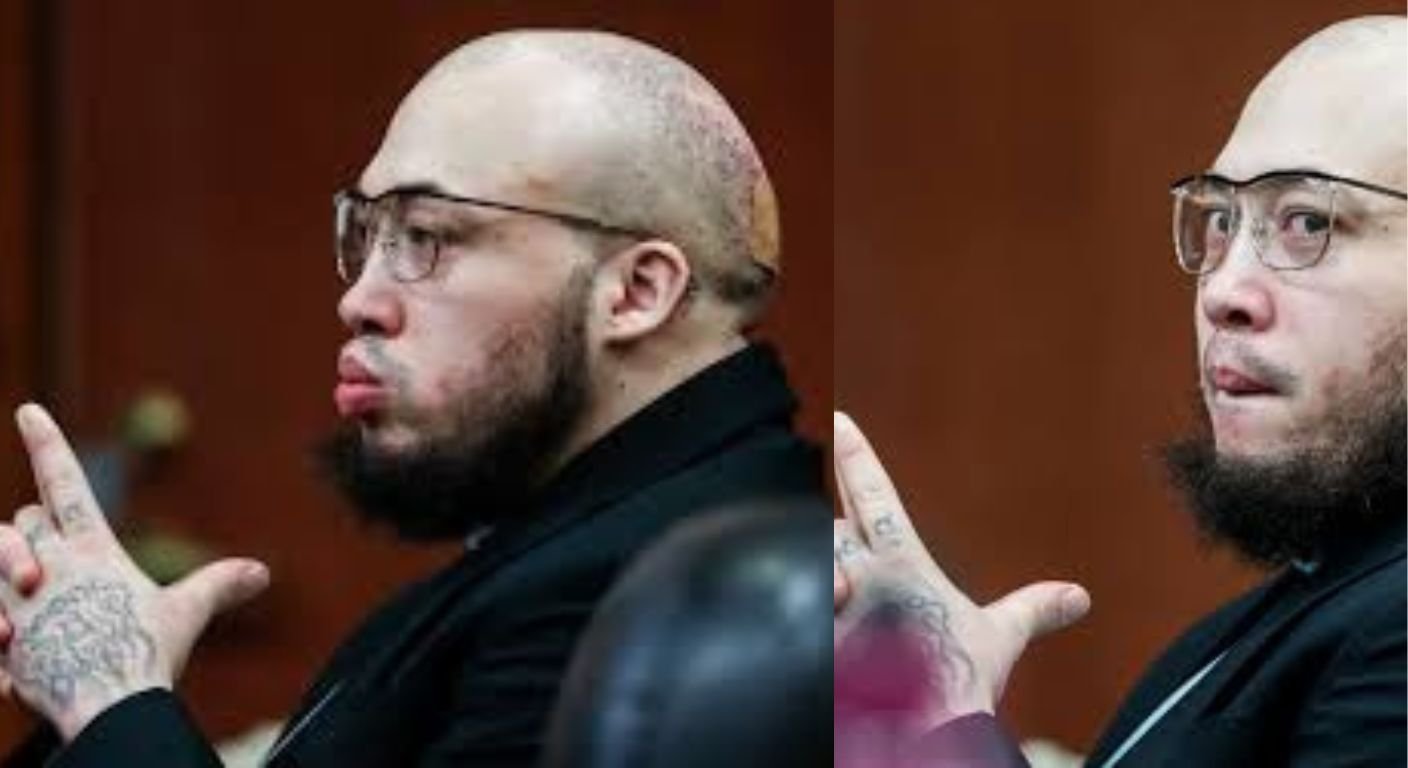
The story of Brice Rhodes is one that sends a chill down your spine. It’s a case that goes beyond a simple crime report; it’s a dark tale of violence, manipulation, and a justice system pushed to its limits. When a case involves the brutal murder of three people, including two teenage brothers, it naturally captures public attention. But the Brice Rhodes saga stood out for its sheer brutality and the dramatic, often chaotic, legal proceedings that followed for nearly eight years.
Who is Brice Rhodes?
Brice Rhodes, a Louisville-based aspiring rapper, became a name synonymous with one of the city’s most horrific criminal cases. Before the 2016 triple murder, he already had a criminal record, but the events of that year would permanently define him as a figure of public notoriety.
Overview of the 2016 Triple Murder
In May 2016, a sequence of violent acts unfolded that resulted in the deaths of Christopher Jones, 16-year-old Maurice Gordon, and 14-year-old Larry Ordway. The murders were not just killings; they were characterized by extreme cruelty, including torture and the burning of the victims’ bodies, which horrified the community and seasoned investigators alike.
Why This Case Captured National Attention
High-profile cases often have a single element that grabs headlines. The Rhodes case had several. The heinous nature of the crimes, the young age of two victims, and Rhodes’s bizarre and disruptive behavior in court created a perfect storm of media interest. It became a long-running story of delayed justice, emotional family testimonies, and legal complexities.
The Crimes: A Timeline of Events
To understand the case, you have to look at how the events unfolded. It started with one murder, which then spiraled into two more in an attempt to silence witnesses.
The Victims: Christopher Jones, Larry Ordway, and Maurice Gordon
The first victim was Christopher Jones. Rhodes reportedly shot and killed him on May 4, 2016, in a case of mistaken identity, believing Jones was someone else.
The other two victims, teenage brothers Larry Ordway and Maurice Gordon, were allegedly connected to Rhodes and witnessed the murder of Jones. Fearing they would talk, Rhodes turned on them. Their young lives were cut short in the most brutal way imaginable.
Details of the Murders: Methods and Motives
According to trial testimony from co-defendants, Rhodes orchestrated the killings to cover his tracks. After learning the brothers were speaking about Jones’s murder, he lured them to his home. There, they were tortured, beaten, and stabbed.
The prosecution detailed a horrifying scene where one brother was forced to listen to the other’s screams before meeting the same fate. Afterward, their bodies were taken to an abandoned property and set on fire. The motive was clear and chilling: eliminating witnesses.
Arrest and Initial Charges
Following the discovery of the bodies, the investigation quickly led to Brice Rhodes. He was arrested and charged with three counts of murder, along with tampering with physical evidence and abuse of a corpse. This marked the beginning of a long and arduous legal battle.
The Trial: Drama and Delays
The path to justice was anything but smooth. The case was plagued by years of delays, largely fueled by Rhodes’s own actions.
Courtroom Outbursts and Behavior
Rhodes became infamous for his conduct in court. He frequently had outbursts, threatened judges and attorneys, made baseless accusations of affairs and racism, and cycled through numerous legal teams who either resigned or were dismissed. This behavior not only stalled proceedings but also added to the anguish of the victims’ families, who were forced to watch the spectacle unfold. At one point, he even accused a judge of being a member of the KKK.
Key Testimonies and Evidence Presented
The prosecution’s case relied heavily on the testimony of two co-defendants, Anjuan Carter and Jacorey Taylor. Both had accepted plea deals for lesser sentences in exchange for testifying against Rhodes. They described him as the mastermind who forced them to participate in the murders. Their chilling accounts provided jurors with a step-by-step narrative of the crimes, from the initial shooting to the disposal of the bodies.
Defense and Prosecution Strategies
The prosecution, led by Assistant Commonwealth’s Attorney Elizabeth Jones Brown, painted Rhodes as a “calculating and cruel” individual. They focused on the horrific nature of the crimes and his history of violence to argue for the maximum possible sentence.
The defense, led by attorney Tom Griffiths, did not dispute that Rhodes was responsible for “horrible things.” Instead, they attempted to gain sympathy from the jury by focusing on his troubled past, including childhood abuse and struggles with mental illness. They argued for a sentence that included the possibility of parole, asking the jury to have “just a little bit of hope” for him.
The Sentencing: Justice Served
In December 2023, after less than an hour of deliberation, a jury found Brice Rhodes guilty on all counts. The sentencing phase followed, bringing a formal close to the case.
Life Imprisonment Without Parole: What It Means
The jury recommended a sentence of life in prison without the possibility of parole, the maximum sentence available after the death penalty was taken off the table due to a ruling on Rhodes’s mental health status. This sentence ensures that he will spend the rest of his natural life incarcerated, offering a sense of security to the community and the victims’ families.
Statements from the Judge and Attorneys
During the final sentencing in March 2024, Judge Julie Kaelin called the case “one of the most tragic” she had ever been involved in, stating, “Everything about this case is horrific.” She honored the jury’s recommendation, formalizing the life sentence. In a stark contrast to his previous behavior, Rhodes was silent as he was led away.
Reactions from Victims’ Families
For the families, the verdict was a moment of profound relief and sorrow. The grandmother of the two teens, Jackie Partee, told the court that Rhodes treated the boys “like trash” when they were “very good boys.” Another grandmother, Deborah Wren, expressed her need to hear the sentence of life without parole “so he can’t hurt another child, anyone. He’s evil.” The families shared stories of their loved ones, ensuring they were remembered as more than just victims.
The Victims: Remembering Their Lives
Behind the headlines and courtroom drama are three lives that were tragically cut short.
Personal Stories of Christopher, Larry, and Maurice
Christopher Jones was a man whose family remembers him with love. His son’s mother, Chastity Stoner, spoke powerfully in court about how Rhodes’s actions did not break her son. Instead, he became a 4.0 GPA student with a football offer from the University of Louisville, a testament to his resilience.
Larry Ordway and Maurice Gordon were just teenagers. Their grandmother described them as “very loving” boys who were involved in school sports. They had their whole lives ahead of them before they were caught in a web of violence they couldn’t escape.
Impact on Their Families and Communities
The loss created a permanent hole in the hearts of their families. Christopher Jones’s brother, Shan Jones, spoke of his ongoing grief. The community was left shaken by the brutality of the crimes and the long, drawn-out legal process. The case serves as a dark reminder of the impact of senseless violence.
What’s Next: Appeals and Legal Developments
Even with a sentence in place, the legal journey may not be completely over.
Defense Plans for Appeal
Following the sentencing, Rhodes’s attorney, Tom Griffiths, stated their intention to appeal the guilty verdict. An appeal is a standard step in a case of this magnitude, but it means the victims’ families may have to face further legal proceedings in the future.
Potential Outcomes and Future Implications
An appeal will review the trial for any legal errors that could have affected the outcome. While reversals are rare, the process itself can be lengthy. For now, the community and the families hold onto the justice that was delivered after a long and painful wait.
Frequently Asked Questions (FAQ)
What was Brice Rhodes sentenced to?
Brice Rhodes was sentenced to life in prison without the possibility of parole for the 2016 triple murder of Christopher Jones, Larry Ordway, and Maurice Gordon.
Who were Brice Rhodes’s victims?
His victims were Christopher Jones and teenage brothers Maurice Gordon (16) and Larry Ordway (14). Jones was killed first, and the brothers were murdered later because they were witnesses.
How long did the Brice Rhodes trial last?
The entire legal process, from his arrest in 2016 to his final sentencing in 2024, lasted nearly eight years. The trial itself was preceded by years of delays due to Rhodes’s courtroom behavior, changes in legal representation, and pandemic-related shutdowns.
Why was the death penalty not an option for Brice Rhodes?
Judge Julie Kaelin ruled that Brice Rhodes was ineligible for the death penalty. She found that he had a documented history of serious mental illness or intellectual disability, which legally prevented prosecutors from seeking capital punishment.
Final Thoughts
The Brice Rhodes case is a sobering chapter in Louisville’s history. It is a story of profound loss, delayed justice, and the resilience of families who fought for years to see it through. While the legal proceedings brought a measure of closure, the scars left by these horrific crimes will never fully fade. The case highlights the devastating ripple effect of violence and the critical importance of a justice system that, while sometimes slow, ultimately holds individuals accountable for their actions. The memories of Christopher, Larry, and Maurice endure, not for how they died, but for the lives they lived and the love they shared.